
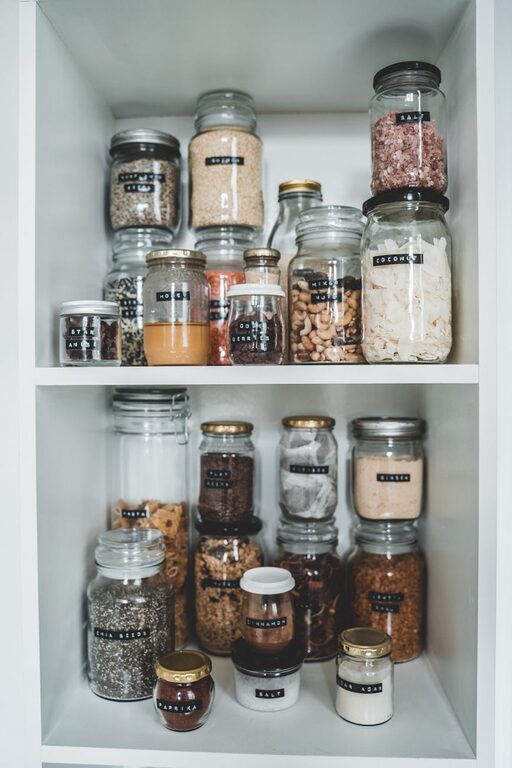
Keeping your fridge and pantry tidy not only helps in maintaining a clean kitchen but also makes meal preparation smoother and reduces food waste. An organized space lets you easily find ingredients, track expiration dates, and plan meals more efficiently. If you’re looking to bring order to your kitchen storage, this guide offers practical, easy-to-follow tips to keep your fridge and pantry neat.
Why Organization Matters
A disorganized fridge or pantry can lead to forgotten food, clutter, and even spoilage. Staying organized helps:
– Save money by using what you have before it goes bad
– Reduce stress during cooking times
– Maximize storage space
– Maintain cleanliness, reducing pests and odors
With just a few habits and tools, you can transform your kitchen storage into an efficient and tidy area.
How to Organize Your Fridge
1. Clean Out and Declutter First
Before organizing, remove everything from your fridge. Toss expired items and those you no longer use. Wipe down all shelves and drawers with a mild cleaner or warm soapy water to eliminate spills and odors.
2. Group Similar Items Together
Keep like items in the same area.
– Top shelves: Leftovers, drinks, ready-to-eat foods
– Middle shelves: Dairy products like cheese, milk, yogurt
– Bottom shelves: Raw meat or fish (placed on trays to avoid drips)
– Drawers: Vegetables in one drawer, fruits in another (many fridges have humidity controls for this purpose)
– Door: Condiments, sauces, jams, and butter (the door is warmest, so avoid storing milk here)
3. Use Clear Containers and Labels
Storing foods in clear containers lets you see what’s inside and keeps items fresh longer. Label each container with its contents and the date it was stored to track freshness easily.
4. Keep It Visible and Accessible
Place frequently used items at the front so they’re easy to grab. Avoid stacking containers too high, as this can hide food and lead to forgotten leftovers.
5. Adjust Shelves and Use Organizers
Many fridges have adjustable shelves allowing you to customize the space. Use bins, lazy Susans, or small baskets to group small items like cheese sticks, yogurt cups, or snack packs.
Tips for a Well-Organized Pantry
1. Start with a Clean Sweep
Empty your pantry, sorting items into categories: grains, canned goods, snacks, baking supplies, spices, etc. Check expiration dates and discard or donate anything you won’t use.
2. Use Storage Containers
Choose airtight containers for items like flour, sugar, pasta, and cereals. These containers keep food fresh, prevent pests, and create a uniform look, making your pantry more attractive.
3. Categorize and Label Everything
Group items by type or use. For example: baking goods on one shelf, snacks on another. Use labels on shelves or containers to make finding things quick and easy.
4. Employ Clear Bins or Baskets
Use bins to corral smaller packages or related items, such as snack bags or spice packets. Baskets are especially helpful for round-up grab-and-go items like granola bars.
5. Optimize Space with Shelf Risers and Door Racks
Shelf risers add a second level to your shelves, creating more space for small jars and cans. If your pantry has a door, use door racks for spices, packets, or frequently accessed items.
6. FIFO Method: First In, First Out
Arrange items so older products are in front and newer ones placed behind. This helps prevent forgetting and wasting food.
Maintenance Tips to Keep Things Tidy
– Weekly Checks: Quickly scan your fridge and pantry every week for expired or spoiled items.
– Meal Planning: Plan meals around what’s already available to reduce leftover buildup.
– Consistent Habits: Replace empty containers and restock items in designated spots immediately after use.
– Seasonal Deep Clean: Every 3–4 months, do a thorough clean and reorganization to maintain order.
Bonus: How to Store Food for Longevity
– Wrap produce properly: Use breathable bags or containers for fruits and veggies to balance humidity and ventilation.
– Store bread in a cool, dry place: Avoid the fridge, which can dry bread out faster.
– Freeze extras: Portion leftovers or surplus fresh foods and freeze them to extend shelf life.
– Keep dry goods in cool, dark spots: Avoid heat and sunlight that can cause spoilage more quickly.
Final Thoughts
Keeping your fridge and pantry tidy doesn’t have to be overwhelming. With regular cleaning, grouping, and using smart storage solutions, you can maintain a neat space that supports healthy eating habits and reduces waste. Start with small changes today, and your kitchen will thank you for it!